
ALBAA Media Release - GNSDate: 11 May 2009 The east coast population of the Grey Nurse Shark (GNS) is listed by the Commonwealth (Environment Protection and Biodiversity Conservation Act 1999) as being a Critically Endangered Species and by NSW (NSW Fisheries Management Act 1994) as being a Critically Endangered Species.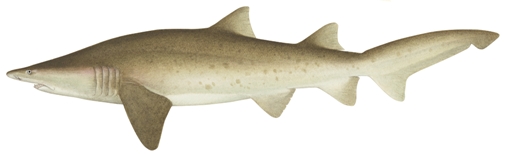
In NSW, maximum penalties exist of up to $220,000 for anyone who harms, buys, sells or possesses a (GNS). The GNS is a symbol of the Green movement and it's threatened status is utilised as a tool to ban / restrict recreational fishing. A survey is currently being conducted that involves the photographing and identifying of individual sharks which are characterised by distinctive marks. The results of this survey have the potential to discredit the current claims of GNS numbers and potentially it's listing as a threatened species. ALBAA condemns the deliberate targeting of the GNS, or any threatened or protected species, and supports the following NSW DPI guidelines: Grey Nurse Sharks and Fishing All line fishing methods that use hooks have the potential to harm grey nurse sharks. Grey nurse sharks will take baited hooks and can also become hooked if they take a fish being played on line fishing gear regardless of whether bait or artificial lures have been used. However, the use of wire trace for bottom fishing and setlines has been identified as the most harmful fishing method to grey nurse sharks. Many sharks can be seen with fishing gear, such as hooks, caught in their jaws and line trailing from their mouth and gills. Autopsies of grey nurse sharks have found that hooks can become embedded in the throat and stomach, and can puncture the shark’s large liver. This can lead to bacterial infection, septicaemia (blood poisoning) and ultimately death. What should I do if I catch a grey nurse shark? Fishers may accidentally catch a grey nurse shark while fishing for other species. If you catch a grey nurse shark, you must release it carefully causing the least possible harm: Bring the shark in as quickly as possible to minimise stress. Try not to lift it out of the water as this can cause internal damage. Cut the line as close to the hooked area as possible. However, if the risk to your own personal safety is significant, please do not attempt to carry out this action. To reduce the chances of hooking or harming a grey nurse shark, fishers should: Avoid berlying up-current of aggregation sites. Avoid fishing with wire trace or at night near aggregation sites. Consider trolling or using fly or artificial lures as an alternative to bait. Use non-offset circle hooks to reduce the risk of gut hooking. Consider changing your location if you accidentally hook a grey nurse shark. What can I do? Take a moment to study this guide and familiarise yourself with: Identification features of the grey nurse shark. Diving regulations and Code of Conduct. The fishing regulations at aggregation sites. http://www.dpi.nsw.gov.au/fisheries/species-protection/species-conservation/what/register-of-critical-habitat/grey-nurse-shark-critical-habitatALBAA also recommend that if you witness the deliberate targeting of the GNS that you contact New South Wales Fisheries (pH: 1300 550 474) immediately and report the incidence. |
ALBAA
Media Releases
Response to
Deep Sea Dump Article
GNS
ALBAA Projects
Accreditation
Graveyard
Ledge Care
Media Releases
Safety
Stewardship
ALBAA members are currently undertaking several projects covering a varried range of topics.
The aim of these projects is to correlateing the collective wealth of knowledge ALBAA members posses in our specific area of angling and presenting this knowledge in a manner that all land-based anglers can benefit.
ALBAA Ideals
At ALBAA we neither endorse nor oppose any other fisher groups, don’t wish to be exclusive in any of our endeavours or claim to represent anyone other than ourselves, adhere to a code that gives a consensual representation of club members in all our affairs and are actively engaged in the environmental stewardship that is a pre requisite for "continued and sustainable enjoyment" of the areas in which we fish.
While ALBAA provides all of the basic functions of a traditional fisherman's club we see no conflict in an angler belonging to their parent club and ALBAA, the difference is in our objectives.
ALBAA provides a forum for those interested people to take some of their thoughts out of the shed and share them with a group of like minded and motivated individuals. The Association has been set up in such a way that it is easy to build a team and get things done!
Land-Based Angling

Shaking the Monkey Again

2 from 2 and a Jew for You

The Story of Jaw's Fin
Friends of ALBAA


